What Makes a Contract Null and Void: Key Requirements Explained
You sign a contract and something feels off. Maybe the other party lied about a key fact, maybe you were pressured into agreeing, or maybe the terms themselves look illegal. The fear is real: you don't want to be locked into something unenforceable, and you don't want to pay a lawyer just to find out. A null and void contract is one that was never legally valid to begin with, so it can't be enforced by either side. The honest answer is that most contracts are not null and void, but a small set of specific defects will get you there. This guide gives you a 5-question framework to assess what makes a contract null and void before you panic, explains what you cannot do about it, and covers how e-signatures affect validity, which matters if you sign online through a platform like LoreSign.
| At a glance | Details |
|---|---|
| Void vs voidable | Void is unenforceable; voidable can be cancelled by one party |
| Core requirements | Offer, acceptance, consideration, capacity, legality, and genuine consent |
| Common voiding factors | Illegality, incapacity, fraud, duress, undue influence, mistake |
| Who can void | A court or the affected party, not you unilaterally |
| E-signatures | Generally valid under ESIGN and UETA if consent and records are proper |
| Practical step | Review the contract and consult a qualified attorney |
What Does 'Null and Void' Mean in Contract Law?
A null and void contract is one that has no legal effect from the moment it was made. It is treated as if it never existed. Neither party can enforce it, and neither party is bound by its terms.
The phrase is actually two words doing one job. "Null" means no legal force. "Void" means empty or invalid. Together they describe a contract that a court will not recognize.
Null and void vs. voidable: a quick preview
A void contract is dead on arrival. A voidable contract is valid until one party chooses to challenge it. Think of a contract signed by a minor: it's voidable, not void. The minor can walk away, but the other party cannot.
Why the distinction matters for your rights
If a contract is void, you don't need to rescind it. It never bound you. If it's voidable, you must act to cancel it, and there are time limits. Waiting too long can mean you lose the right to challenge.
A contract that is void is treated as if it never existed, while a voidable contract remains valid until the affected party takes steps to cancel it. Only a court can definitively declare a contract void; you cannot do so unilaterally.
Void vs. Voidable Contracts: What's the Difference?
| Factor | Void Contract | Voidable Contract |
|---|---|---|
| Legal effect | Treated as if it never existed | Valid until the affected party cancels it |
| Who can challenge | Anyone, including a court on its own | Only the party who was harmed or lacked capacity |
| Common examples | Contract for an illegal act; contract signed by someone with no capacity | Contract signed under duress, fraud, or by a minor |
| Time limit to act | No ratification possible | Must be cancelled within a reasonable time or it may be affirmed |
| Practical outcome | No enforceable rights or duties | Rights and duties can be enforced if not cancelled |
The 5 Elements of a Valid Contract (The Baseline)
Before you can spot what's missing, you need to know what belongs. A valid contract needs five things: offer, acceptance, consideration, capacity, and lawful purpose. Miss one, and the whole thing can fall apart.
Offer and acceptance
One party makes a clear offer. The other accepts it without changing the terms. A counteroffer isn't acceptance. It's a rejection plus a new offer. Both sides have to mean the same thing at the same time.
Consideration
Consideration is the exchange of something of value. Money for services. Goods for payment. A promise for a promise. A contract with no consideration on one side is just a gift, and courts won't enforce gifts.
Legal capacity
Both parties must be able to understand what they're agreeing to. Minors, people with severe mental impairment, and anyone under the influence may lack capacity. That doesn't always make the contract void. It often makes it voidable.
Lawful purpose
The contract can't ask anyone to break the law. An agreement to sell stolen goods is void from the start. So is a contract that violates public policy, like one that waives rights the law says you can't waive.
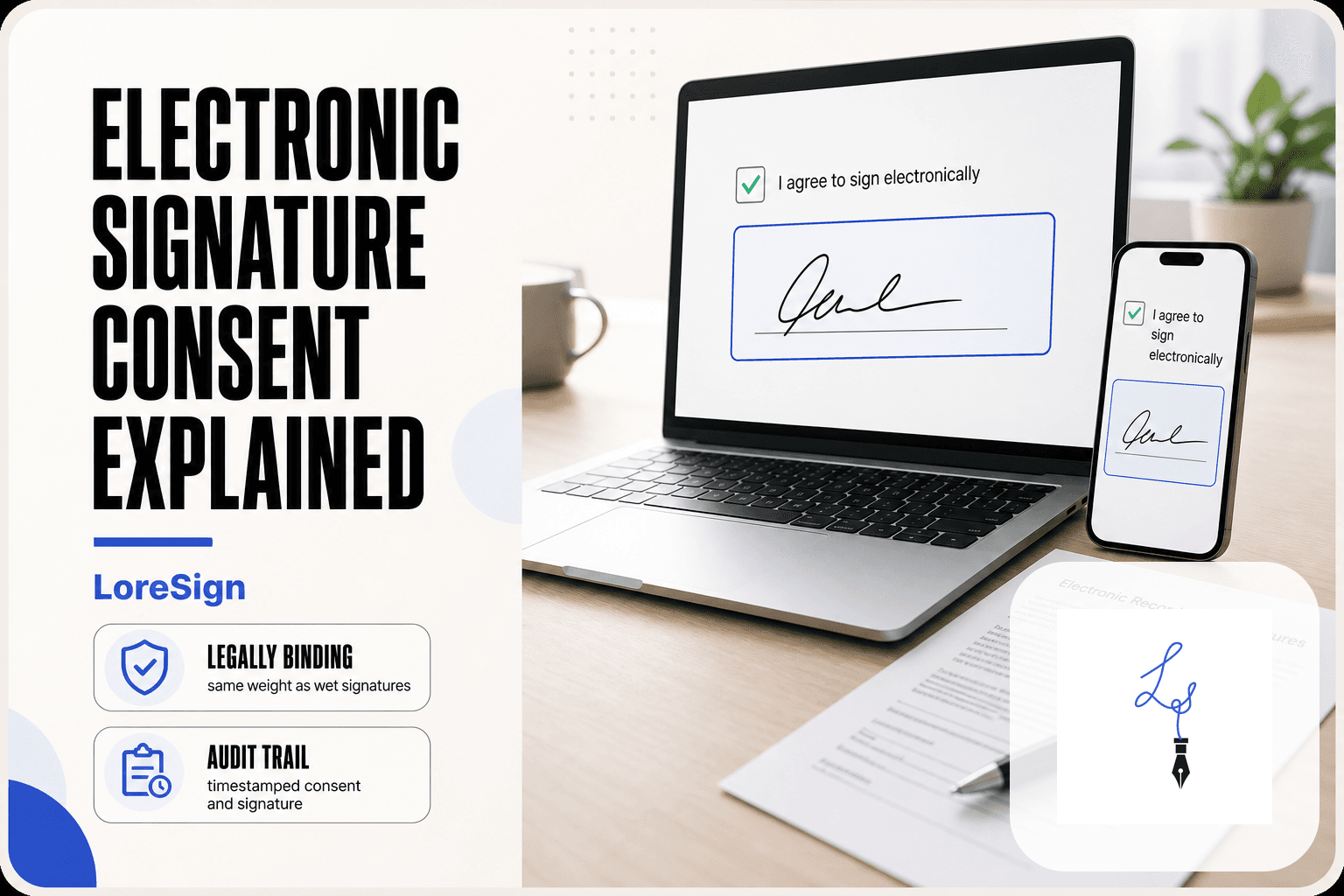
When signing online, keep a clear record of each signer's consent and the audit trail. Under the ESIGN Act and UETA, e-signatures are generally enforceable, but you should confirm that all parties agreed to do business electronically and that the signed record is retained accurately.
What Makes A Contract Null And Void: A Step-by-Step Guide
- Identify the parties and confirm each had the legal capacity to sign (age, mental competence, authority).
- Check that the subject matter is legal and does not violate any law or public policy.
- Verify that there was a clear offer, acceptance, and consideration (something of value exchanged).
- Look for signs of fraud, duress, undue influence, or a serious mistake that undermines genuine consent.
- Confirm the contract is not missing essential terms or so vague that it cannot be enforced.
- If you believe the contract is void or voidable, consult a qualified attorney before taking any action.
- If you are the harmed party in a voidable contract, decide promptly whether to cancel or continue, as delay can waive your right.
6 Things That Make a Contract Null and Void
A contract fails when one of the five baseline elements is missing or broken. Here are the six most common triggers.
Illegality or violation of public policy
A contract that asks anyone to break the law is void from the start. That includes agreements to commit crimes, but also contracts that violate public policy, like waiving rights the law says you can't waive.
Lack of legal capacity
Minors, people with severe mental impairment, and anyone signing under the influence may lack capacity. The contract is often voidable, not automatically void, but it can be challenged.
Fraud or misrepresentation
One party lied about a material fact, and the other relied on that lie. The deceived party can typically rescind the contract.
Duress or undue influence
Consent wasn't freely given. Someone was threatened, coerced, or pressured by someone in a position of power. That contract can be voided.
Impossibility of performance
The contract asks for something that can't actually be done. Not hard, not expensive. Impossible. If performance becomes impossible after signing, that's a different analysis.
Lack of mutual assent
Both parties have to mean the same thing. A genuine mistake about a fundamental term, or a total failure to agree on essential terms, means there was never a meeting of the minds.
Null and Void vs. Voidable: What's the Difference?
The distinction comes down to timing. A null and void contract was never valid, not even for a second. A voidable contract is valid until someone with the legal right to challenge it actually does.
Void contracts: invalid from the start
A void contract is void ab initio, from the beginning. It never created legal obligations. Courts treat it as if it never existed. No one needs to take action to make it void; it already is.
Voidable contracts: valid until challenged
A voidable contract is different. It's legally binding and enforceable unless and until one party exercises their right to rescind it. The contract works fine if no one challenges it. The clock matters here: the right to void can be lost through delay, ratification, or continuing to accept benefits under the contract.
Who can void a voidable contract
Only the protected party can void a voidable contract. A minor who signed a contract can void it; the adult on the other side cannot. Someone who was defrauded can rescind; the fraudster cannot. The party with the power gets to choose: enforce it or walk away.
The 5-Question Framework: Is Your Contract Null and Void?
You don't need a law degree to spot red flags. Run your contract through these five questions. Each one maps to a nullity trigger from the previous section. If you answer "no" to any of them, you may have a void contract on your hands.
Question 1: Was the purpose of the contract legal?
A contract to sell stolen goods, evade taxes, or commit any crime is void from the start. Courts won't enforce it, and neither party can sue to collect under it. The illegality doesn't have to be obvious. A contract that violates licensing laws or public policy can fail the same way.
Question 2: Did both parties have legal capacity?
Minors, people with severe mental impairment, and those under the influence when signing may lack capacity. The contract isn't automatically void in every case, but it's vulnerable. The protected party can often void it.
Question 3: Was consent freely given?
Threats, blackmail, or extreme pressure can void a contract. The question isn't whether you felt uncomfortable. It's whether a reasonable person would have felt they had no real choice.
Question 4: Was there a genuine meeting of the minds?
Both parties must understand the same terms. If one side lied about a material fact, or the terms are so vague that no one could agree on what was promised, there's no mutual assent. No assent, no contract.
Question 5: Can the contract actually be performed?
If the subject matter is impossible to deliver, the contract fails. Not hard. Not expensive. Impossible. A contract to buy a house that no longer exists is void from the start.
Real-World Examples of Null and Void Contracts
Abstract rules only get you so far. Here's what null and void looks like in practice.
Contract with a minor
A 16-year-old signs a lease for an apartment. The landlord can't enforce it. Minors generally lack capacity, so the contract is voidable at the minor's choice. The minor can walk away. The landlord can't.
Agreement to commit a crime
Two parties sign a contract to split proceeds from selling counterfeit goods. The contract is void from the start. Neither can sue to enforce it. If one side keeps all the money, the other has no legal remedy.
Contract signed under duress
Someone signs a loan agreement because the other party threatened to report them to immigration authorities. That's duress. The consent wasn't free, so the contract is voidable.
Agreement with a mentally incapacitated person
A person with advanced dementia signs over property rights. If they lacked capacity at signing, the contract is voidable by their guardian or estate.
Contract for an impossible performance
You sign a contract to buy a specific house that burned down the week before. Performance is impossible. The contract is void.
Can an E-Signed Contract Be Null and Void?
Yes. An electronic signature doesn't change the rules of contract validity. The same nullity triggers apply: illegality, incapacity, fraud, duress, impossibility, lack of mutual assent. The signature format is just the method of assent, not the substance of the agreement.
E-signatures are legally valid (ESIGN and UETA)
The ESIGN Act (2000) and the Uniform Electronic Transactions Act (UETA), adopted by 47 states, establish that electronic signatures carry the same legal weight as ink signatures. A contract can't be declared void simply because it was signed electronically. Courts treat an e-signed contract the same as a paper one.
E-signing pitfalls that can undermine validity
The electronic format does introduce specific risks. If the signer's identity can't be authenticated, the other party may claim they never signed. If the signing platform fails to capture a proper audit trail, proving mutual assent gets harder. Technical errors, like a signature applied to the wrong document version, can also create disputes about what was actually agreed to.
How to protect yourself when signing online
Use a platform that captures authentication data: email verification, IP address, timestamp, and a certificate of completion. Read the document before clicking. Confirm the final version matches what you negotiated. If the platform doesn't provide an audit trail, you're signing blind.
What You Cannot Do: Plain-Language Limitations
Understanding what makes a contract null and void doesn't give you the power to act on that understanding alone. The law reserves certain determinations for courts. Here's what you can't do, no matter how strong your case feels.
You cannot unilaterally declare a contract null and void
Saying "this contract is void" doesn't make it so. Only a court can issue that ruling. You can refuse to perform, but you'll carry the legal risk until a judge agrees with you.
You cannot void a contract just because it's unfavorable
A bad deal isn't a void deal. If you agreed to terms that turned out poorly, that's on you. Courts don't rescue parties from their own bargaining mistakes.
You cannot rely on verbal agreements for certain contracts
The statute of frauds requires written contracts for real estate sales, agreements lasting over one year, and goods over $500. A handshake won't hold up there.
You cannot ignore a contract you believe is void
Ignoring it doesn't make it disappear. The other party can still sue, and you'll have to defend yourself. Get legal advice before you stop performing.
How to Avoid Null and Void Contracts When Signing
Prevention beats litigation. You can't fix a void contract after the fact, but you can stop most problems before you sign.
Verify identity and capacity
Confirm the other party is who they say they are and legally able to contract. Ask directly about age and authority to sign. For business deals, check the signer actually represents the entity.
Read the full contract before signing
Skimming isn't reading. Go clause by clause. If you don't understand a term, ask. Don't sign under time pressure you didn't agree to.
Confirm the terms are legal and clear
Vague terms invite disputes. Illegal terms void the whole thing. Make sure the purpose is lawful and the obligations are specific enough to enforce.
Use a reliable e-signature platform
A platform that captures authentication, timestamps, and an audit trail gives you evidence the signature was genuine. LoreSign tracks every signer and delivers the completed document automatically. That record matters if validity is ever challenged.
What Happens When a Contract Is Null and Void?
A void contract has no legal effect from the start. It's not broken. It never existed.
The contract is treated as if it never existed
Courts won't enforce it. Neither party can sue for breach, because there's no contract to breach. Any obligations written into it carry no legal weight.
Restitution and unwinding
The court's job shifts to putting both parties back where they started. If money or property changed hands, the recipient may have to return it. That's restitution. It's not damages. It's unwinding what happened.
Limited legal remedies
You can't recover lost profits from a void contract. You can't claim expectation damages. The only remedy is restoration of what was actually transferred. If one party already performed work, recovering its value gets messy and often requires a separate claim outside contract law.
The practical result: you're not bound, but you're also not protected.
Final Thoughts: Sign With Confidence
You now have a 5-question framework to assess whether a contract is null and void. Run it before you sign, not after. It won't replace a lawyer, but it will catch the obvious problems: illegal terms, missing capacity, pressured consent, no real agreement, impossible performance.
The honest answer is that most contracts you sign are valid. The law doesn't rescue you from bad deals, only from broken ones. What makes a contract null and void is a defect in formation, not a defect in judgment.
That's where a reliable e-signature platform earns its keep. LoreSign captures each signer's identity, records the audit trail, and delivers the completed document automatically. It won't make a void contract valid. It will make sure the signature itself never becomes the weak point.
This is educational information, not legal advice. If you're facing a specific dispute or a contract worth real money, consult an attorney before you act.
Frequently Asked Questions
What are the factors that can make a contract null and void?
A contract may be void if it involves illegal subject matter, a party lacked capacity (such as being a minor or mentally incompetent), or there was no genuine consent due to fraud, duress, or undue influence. Missing essential terms like price or subject matter can also make it unenforceable. Courts look at the totality of the circumstances.
What are 6 things that void a contract?
Six common factors are: (1) illegal subject matter, (2) lack of capacity, (3) fraud or misrepresentation, (4) duress or undue influence, (5) mistake that goes to the heart of the agreement, and (6) impossibility or illegality of performance. Each can render a contract void or voidable depending on the specifics.
How do you null and void a contract?
You cannot unilaterally declare a contract null and void. If you believe it is void, you can stop performing and seek a court declaration. If it is voidable, you can cancel it by notifying the other party and, if needed, filing a lawsuit. Always consult an attorney before acting.
What conditions make a contract void?
Conditions that make a contract void include illegality, incapacity, absence of mutual assent, and lack of consideration. A contract is also void if it is impossible to perform or if it violates public policy. These defects mean the contract is unenforceable from the start.
Can an e-signature make a contract void?
No, an e-signature does not automatically void a contract. Under the ESIGN Act and UETA, e-signatures are legally valid if the parties intended to sign and the record is properly retained. However, if consent to electronic signing was not obtained or the process was flawed, enforceability could be challenged.
What is the difference between void and voidable?
A void contract is unenforceable from the beginning and cannot be ratified. A voidable contract is valid until the affected party chooses to cancel it; until then, it remains enforceable. Voidable contracts often involve minors, duress, or fraud.
Can I just ignore a contract I think is void?
Ignoring a contract you believe is void is risky. The other party may sue for breach, and a court might disagree with your assessment. It is safer to consult an attorney and, if appropriate, seek a declaratory judgment rather than simply ignoring it.
About LoreSign
LoreSign helps individuals and businesses create, send, sign, and track documents in one place. You can upload a PDF or create an agreement, add the required signing fields, send it to recipients, and automatically receive the completed document once everyone has signed.